Coming to Terms with My Sexual Orientation: An Ace’s Journey

23 Feb

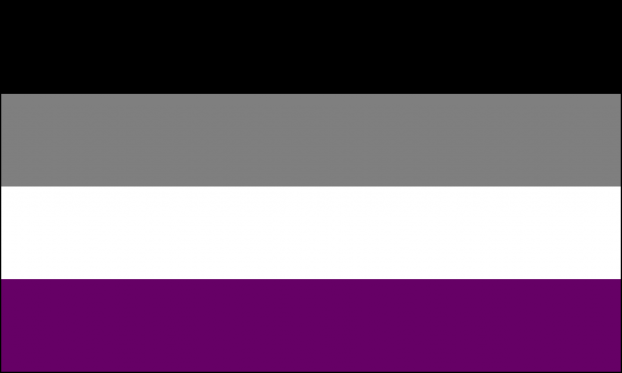
Ace Flag 1

There’s something I’ve been meaning to share with my family, friends, and readers for a while now. But I needed some time to come to terms with it for myself. Then, I needed more time to procrastinate writing this blog post (y’all know I was slacking last year and didn’t post as much. But I’m back to posting regularly this year… so stay tuned).

Anyways, for a while, I’ve known that I’m not like everyone else. I used to think I was weird or that something was wrong with me. But now I know that I’m just different.

I am asexual.

No, that doesn’t mean that I can reproduce without a partner.

Asexual (aka “ace”) is a sexual orientation that includes people who experience little to no sexual attraction and/or desire. Asexual people make up approximately 1% of the population. We are the “A” in LBGTQIA+.

Basically, it means I don’t have a desire to have sex with anyone.

The concept of asexuality baffles a lot of people because sex is literally everywhere. On billboards, in the music we listen to, on every magazine stand, in our favorite TV shows, etc.

And while people who are not asexual cannot fathom living without sexual desire, I can’t even begin to guess what it means to live with it.

For the life of me, I couldn’t relate to Olivia and Fitz’s sexual tension. During every episode of Scandal I was like, “They’re having sex again?!! Didn’t they just do that?!” When friends tell me that they slept with someone because “it just sorta happened/ they couldn’t resist,” I wondered what that felt like. I NEVER “just have to have it.”

It took me a while to realize I was asexual. Three years ago, I’d had a feeling that I was, but I didn’t want to believe it. When I published “I Shouldn’t Need an Excuse to be a Virgin,” an article I wrote about virginity and feminism for XO Jane in 2013, a few aces tapped me on the shoulder in the comments section like, “Hey girl, you sound like one of us.” But I ignored them. I searched for alternative explanations for why I didn’t have desires that everyone else seemed to have. But after a long while, asexuality made a lot of sense.

My accepting of my asexuality was not an instant “sigh of relief.”  For a while, I pretty much balled my eyes out whenever I thought about it. I didn’t want to be asexual. I felt like I was missing out on something the rest of the world was enjoying. I was worried my 3-year relationship with my boyfriend would perish. I was scared I would never have a successful romantic relationship. I felt broken. To tell you the truth, sometimes I still have those feelings.

But after finally admitting it to myself, I was able to find a support system. Ace communities online post things like this:


This:
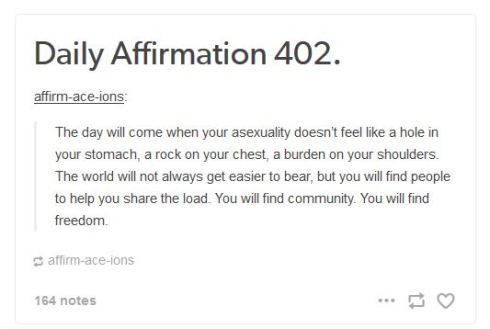
Ace2

And this:

Ace1

People shared their stories learning to cope with and become proud of their asexuality. And when I found a group of black asexual people, I started to feel a bit more at home (No offense to the white aces, but some of you all are ummm… very white).

Joining conversations with asexual communities online, reading more about my sexual orientation, journaling, and praying often, I came to terms with my asexuality.

To learn more about asexuality, visit the Asexual Visibility and Education Network. They provide a robust amount of info on asexuality.

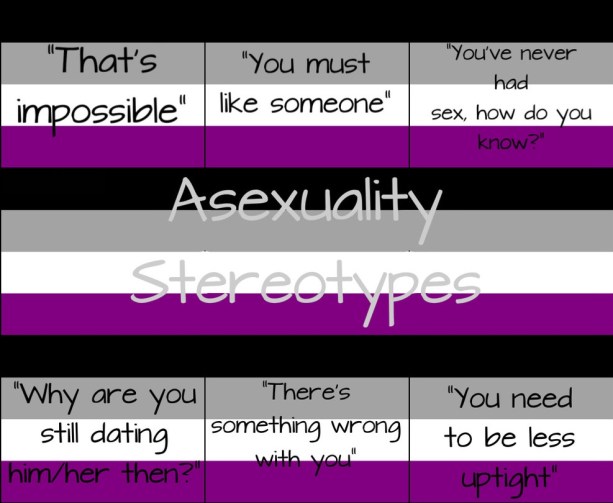
P.S. Before commenting on this post, please read this list of myths about asexuality. I’m tired of people trying to fix my “problem.” Let’s get one thing straight: I’m not broken, I’m asexual.
Travel Noire: Yes, I’m Black. No, You Can’t Take a Selfie with Me

16 Feb


Selfie Travel

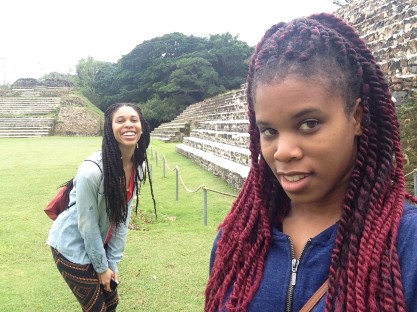
There’s always that awkward moment during my travels, when someone asks for a photo. I respond, “sure” and reach for the camera or phone they’re holding. Then they pull it out of reach and explain that I misunderstood. Instead, they would like to take a photo with me.

This has happened on several occasions. Usually, the people who ask are from countries where they don’t see black people every day: Chile, Argentina and certain parts of Asia. Though there was one middle-age white woman in Long Beach who asked for a picture of my boyfriend and I because she liked the way we looked.

I always politely decline, but offer to take a photo of the people who ask.

My boyfriend, Ryan, on the other hand, finds it flattering. He jokes that he is on at least 50 Chinese family Christmas cards. He frequently travels to China and will sign autographs, let people touch his locs and take photos with anyone who asks. He doesn’t understand why I refuse to pose for the camera.

Some black travelers may not mind, but I do not like being treated as an “other.” Othering, treating someone as intrinsically different and sometimes, less human, is one of our nations favorite pass times. In the U.S., othering is dangerous. It is part of the reason our Americans protest at mosques, threaten to build walls at the Mexican border and allow the police to treat black neighborhoods like hunting grounds.

Traveling overseas, being othered means people may stare, touch my skin and ask weird questions, like, “Is your skin more durable and hard because it’s dark?” (Yes, a grown man asked me that).

I know these people with camera in-hand do not mean to be offensive, but I do not like the idea that they want a picture of me because I’m some rare specimen they’ve only ever seen on TV. I am human, just like they are – and I’d prefer to be treated how they treat people that they view as fully human.

Otherness can also be dangerous overseas, especially when blackness is fetishized. Ryan doesn’t mind people touching him and taking his photos, but he also has not had the scary traveling experience of a man following him back to his homestay, or being touched inappropriately by men who have a thing for black beauty. I have.

The majority of the time, the curious people who ask for pictures are relatively harmless. But I am a bit cautious around strange men. I’ve had curious men in Buenos Aires get too close and steal an unwanted kiss. I’ve also had black friends who’ve traveled to various destinations and experienced worse forms of sexual assault from men who found their blackness attractive.

Taking a photo with someone requires allowing that stranger into your personal space. Depending on how safe I feel in the moment, I’m not always comfortable doing that. Fetishism of black culture and people is real in our country and abroad, and it can escalate to tragic experiences.

On a less-serious note, I try to control my image as much as I can. I’m careful about what I post on social media. It may seem silly, but Instagram photos upload in a matter of seconds, and I’d rather not have my pictures posted on strangers’ timelines. In the best case scenario, they get a few comments from the strangers’ friends. In the worst case, they become a shady meme or a receive a lot of racist comments, like the photo of that man who took a picture with his coworkers black son, and his friends show their true feelings in all of their jokes about slavery. Either way, I’d just rather not be involved.

After I rejected a group of three box-braid wearing Asian tourists from taking my photo while we were visiting the Grand Canyon, Ryan suggested that next time someone asks, I should allow the photo so that I can strike up a conversation with them and make new friends abroad. That is one perk of allowing strangers to take their selfies with you. On my next trip, I took half of his advice.

A Spanish-speaking couple approached me asking for a photo while I was visiting the Belizean Island, Caye Caulker. I was a little surprised, considering black people aren’t rarities in Belize. I declined their photo, but I continued the conversation, asking where they were from and chatted for a few minutes. I got the chance to practice my Spanish with a nice Chilean couple without having to take any photos with them.

Besides, if I’m traveling with my boyfriend, I can always offer him up as an alternative black person to take a photo with. He never minds.

What do you think? How do you feel about taking photos with strangers abroad?

Why #BoycottBeyonce is Racist

9 Feb

SuperBowl.PNG

Dear white people,

We’re tired of your anti-Black antics.

Some of you seem to think that celebrating Blackness is anti-American.

 Spoiler alert: It isn’t.

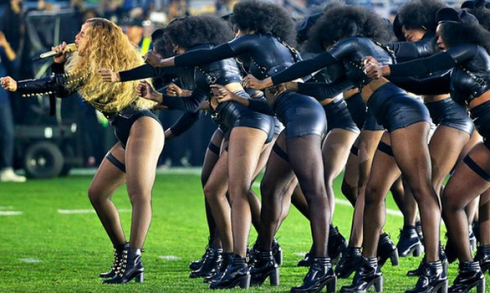
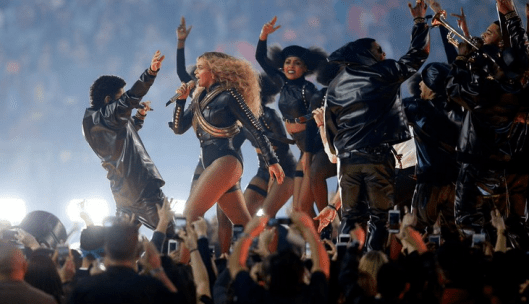
Are you mad that Beyoncé came hella Black at the Super Bowl? Are you mad that her backup dancers’ outfits paid homage to the Black Panthers? Does it really “grind your gears” that she mentioned her baby’s nappy hair?

Unsurprisingly, you are the same bunch that calls peaceful protestors “thugs” and “rioters.” You’re the same people that got behind #AllLivesMatter and #BlueLivesMatter (Side note: how can both “all lives” and “blue lives” both matter at the same time? Doesn’t #BlueLivesMatter sound just as exclusionary as you say #BlackLivesMatter is?)

Anyways, cut the crap.

Y’all hate on anything that celebrates Blackness, including Black History Month, the Natural Hair Movement, #BlackGirlMagic, scholarships for Black people, and Black Michael Jackson.

Can’t you understand that everything is NOT for you? You already have the Oscars, white-washed Egyptian casts, the next presidency, white privilege, Stacey Dash, and most of the other months of the year.

Beyoncé’s performance was not for you. It was for Black History Month, for the anniversary of the Black Panther Party, for a celebration of Blackness, and much more.

In a society where Black people have been looked upon as second-class citizens, where politicians do nothing about our issues, where our justice system fails to acknowledge the loss of our innocent lives to their establishment, we continue to prosper. We collectively slay with #BlackGirlMagic and we continue to seek justice and equality despite all roadblocks. So excuse us if we feel like twerking celebratory when Beyoncé says she keeps hot sauce in her purse.

And if you can’t handle us celebrating our blackness, you may want to ask yourself why blackness is so offensive to you. You may need to consider why everything has to be the “white way” in order for you to accept it. You may want to look at why you always have to make your whiteness a priority.

And ask yourself: Why am I a racist?

It’s 2016, y’all. If you don’t want progress in our nation, which includes the advancement of people of color, then you sound like the anti-American ones to me.

Because people like me want better for our country. We want to expose and demolish racist systems of oppression. We want to feel like equal American citizens. We know that may take a while.

But if you all would collectively back away from your keyboards and cease the movement of your tongues, it’ll only take a few minutes for you #BoycottBeyonce assholes to STFU.

Now excuse me while I get in formation.

Get in Formation