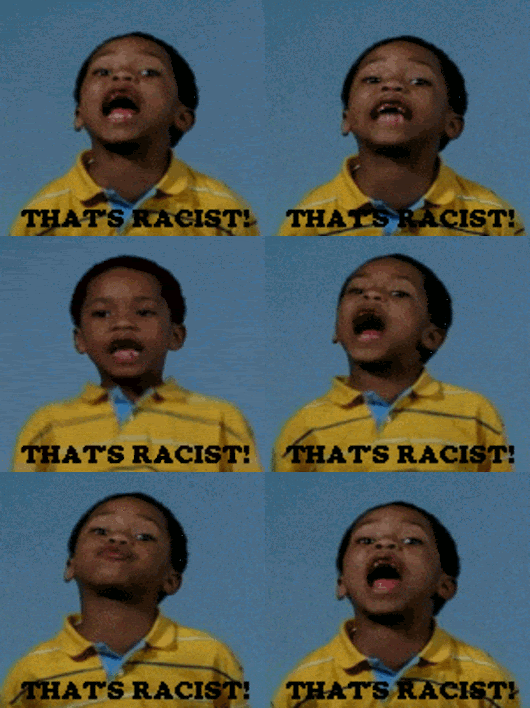
7 Things That Happen When You’re the Only Black Person at Work
24 Jul
Falcon and the Human Torch: Why Black Superheroes Matter
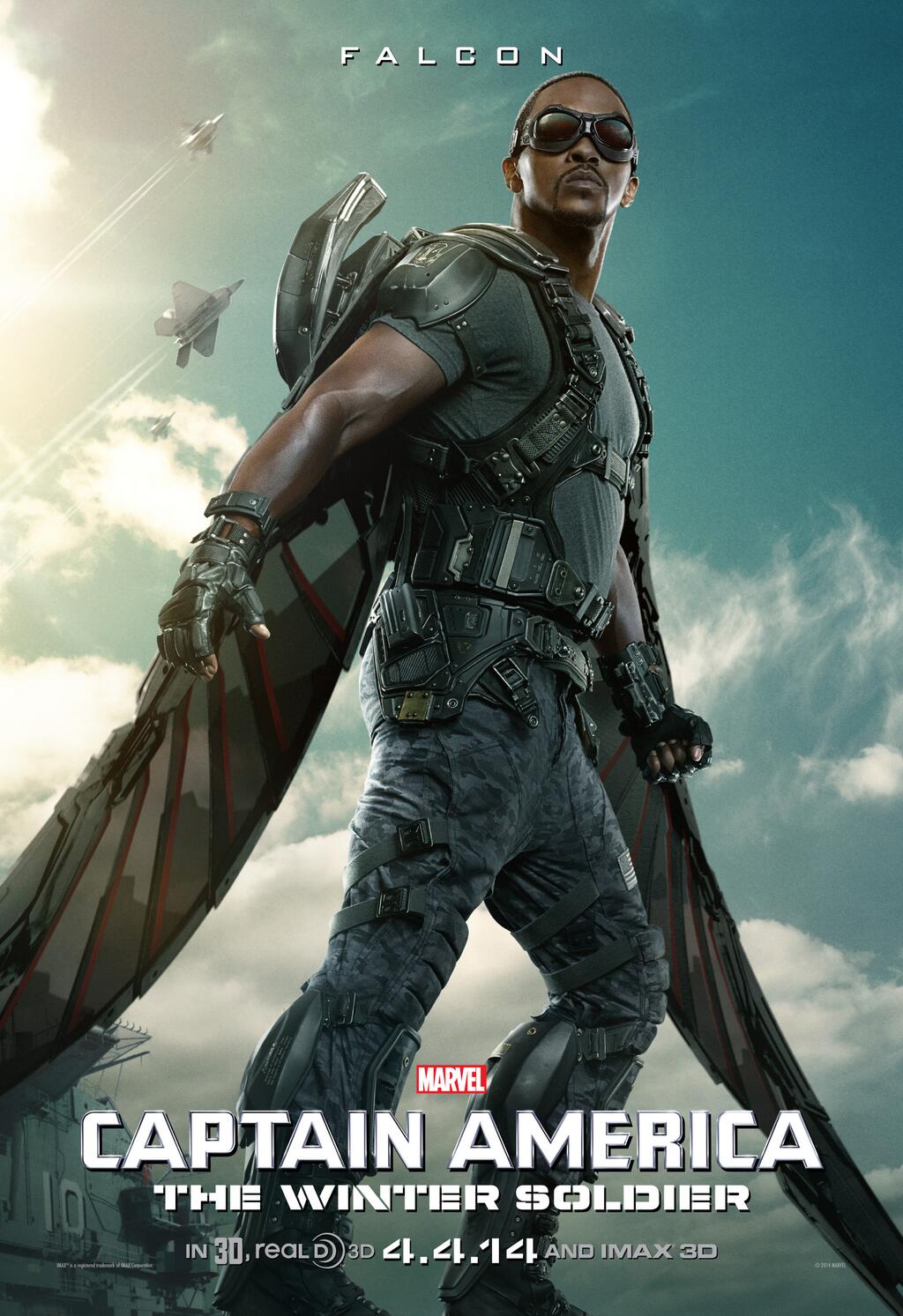
3 AprCaptain America: The Winter Solider hits theaters this weekend—and I will be seeing it. As the daughter of a Marvel comics fan (an O.G. 1960’s Marvel fan), and a girl who flocks to the midnight showing of nearly every Marvel and DC movie, I cannot wait to see Captain America 2.
But honestly, I could care less about the actual Captain America. He’s cool and all, but it’s the Black Widow (badass Scarlett Johansson) and the Falcon (handsome Anthony Mackie) who I really want to see.
Yes yes, it’s about time Marvel brought some diversity.
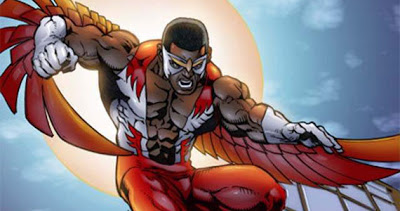
If you haven’t heard, this movie introduces the Falcon one of Marvel’s first black Superheroes. In the movie, he’s a military soldier who a wears a high-tech winged suit that allows him to fly. The original Falcon was introduced in 1969, and fought alongside Captain America and the Avengers.
We also saw a bit more color in the casting of Fruitvale Station’s Michael B. Jordan as the Human Torch in the upcoming Fantastic 4 movie.
Of course, angry racist fans masking themselves as “comic book purists” had a lot to say about how the Human Torch is supposed to be white, how producers should stick to the historical (fictional) truth and blah blah blah. People have said that about all the black characters in The Hunger Games, Catching Fire, and the remake of Annie. I think we’ve all grown tired of the BS. In 2014, it’s not a sin for the good guys in the movies to be black.
Quite frankly, America needs black superheroes.
Seeing someone other than the typical strong white male saving the day is bigger than just “diversity on the screen.” Media representation has always been an uphill battle for people of color. It’s a historical struggle: from the white actors in blackface in the 1800s, to the mammies and sambos of antebellum films, to the bitchy and irrational black women of Tyler Perry’s films. We’re still struggling for representations that don’t exemplify nasty stereotypes. So when I see a black superhero in a movie, I jump for joy. Because when Anthony Mackie and Michael B. Jordan appear on the big screen, they won’t be playing thugs, drug dealers, criminals, the characters who die first, or anything Tyler Perry and his white imagination can drum up; instead, they will be the ones fighting crime and saving the world.
When it comes to media representation, skin color does matter. It matters in a similar way that having black president matters. Why do you think all the elders that lived through the Civil Rights movement were crying after Barack Obama’s victory in 2008? Why do you think people celebrated the first Indian-American Miss America? These moments show historical turning points, when someone goes up against centuries-old racial tensions and comes out victorious.
It’s extremely important that children (and adults for that matter) see reflections of themselves in all aspects of society, especially in the heroes of American culture. So that we can tell our young black daughters that not only can they stop a mutant vs. human war with their superhuman abilities, like Storm, but also, they can that they can run for president or win a seat in congress with their strong determination and intellect, like Shirley Chisolm.
Of course, Marvel’s got a long way to go. Sure they get a few points for casting Jordan, Mackie, Halle Berry (X-Men’s Storm), and Samuel L. Jackson (Avenger’s Nick Fury). But they need to do more. I can’t wait until Marvel decides to feature another black woman superhero. Right now Halle Berry’s holding it down as Storm, but that’s pretty much it. While they’re at it, they must cast other people of color as well. The world’s more colorful than just black and white.
3 Things Someone Should Tell Miley Cyrus
18 JunMiley 2.0, Take A Seat
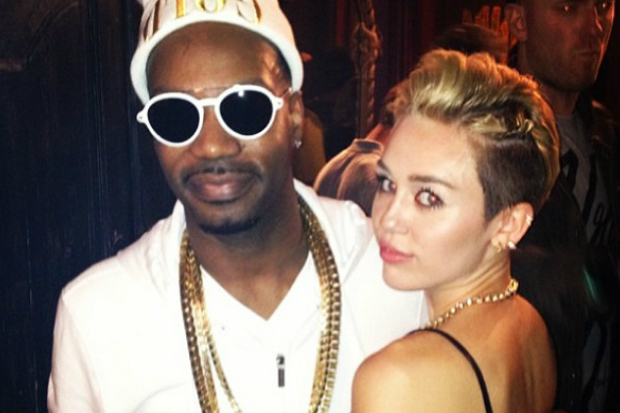
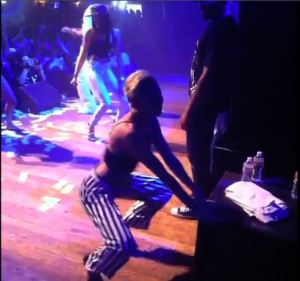
Lately people have been buzzing about how Miley Cyrus twerked on stage at a Juicy J concert and about her latest song produced by Mike Will Made It. At first, I was upset that she received so much attention. I saw news anchors on television discussing her twerking, and I thought, “Why the F is this news?” So I was hesitant to write this post. Yet, with all the comments about Milley 2.0 “trying to act black” and “being ratchet,” I felt the need to say something about her new tactic to increase the hype of her upcoming album.
Unlike many people who are quick to shame Miley Cyrus for her recent twerking obsession and her new sound, which claims that she is “bout that life,” I won’t go there. Let her twerk if she wants to—but don’t you dare applaud her for twerking and then turn around and criticize all the black women who twerk.
I have other issues with little Ms. Party in the USA.
1) Stop referring to hip hop and other music from black artists as “hood” music. In a recent interview with Billboard, she claimed that she loved “hood” music.
I think most of us know (but someone needs to let Miley know) that the majority of commercial hip hop sales are from suburban areas and that about 60% of those consumers are white.* Miley, sweetie, you aren’t special because you like Juicy J—you’re part of the 60%. But hey, maybe some of that 60% who bump fictitious “hood” music, yet haven’t gone beyond their white picket fences may pick up her album. Maybe Miley’s onto something.
2) Tread lightly and remember your privilege. The other day one of my sorors tweeted,
“So when I twerk, I’m ratchet. But when Miley twerks she’s queen goddess of all unicorns!?”
She raises a major issue. Commenters on several blog sites said that Miley twerking was “cute” or “adorable.”
First of all… No. It wasn’t. Think about it—would it be adorable if it were Willow Smith or Gabby Douglas? Is it cute when Nicki Minaj twerks? No! Many people have internalized a double standard and would criticize young black women for being overly sexual.

Miley twerking at Juicy J concert
Blogger Necole Betchie wrote that Miley is “definitely carrying around a ‘ratchet’ card somewhere in her back pocket.” Yes, she may be carrying the card, but she can use or toss it as needed. Others don’t have that luxury. According to writer Sesali Bowen, many people (mainly black women) are labeled ratchet because of their poverty, clothing choices, and actions, and they cannot shake the label as easily. So be careful who you call ratchet.
3) Do what you do. Let Miley be Miley. Hanna Montana, Miley 2.0, rebel Disney star, whatever. If you don’t like her, don’t listen to her and don’t talk about her. That being said, I’m not going to say anything else about her. But I think it’s imperative that we think about and discuss double standards, white privilege, and what is acceptable for certain women to do but not others.
If you don’t feel like reading up on cultural appropriation, check out “White Privilege” by rapper Macklemore. His song is open and honest about how white musicians fit into black music.
*Stats from Rhythm and Business: The Political Economy of Black Music
Related Articles: