Archive | Race and Culture RSS feed for this section

I Can’t Read Another Slavery/ Jim Crow Narrative Right Now

2 Jun

DSC_0088

Nearly two years ago, my boyfriend was working at Best Buy, when an older black man came in asking where he could get a copy of Fruitvale Station. When Ryan asked him what Fruitvale Station was, the man judgingly responded “Damn black people never heard of Fruitvale Station,” and walked off shaking his head. 

That man would have had words for me too, since I also hadn’t seen the movie. 

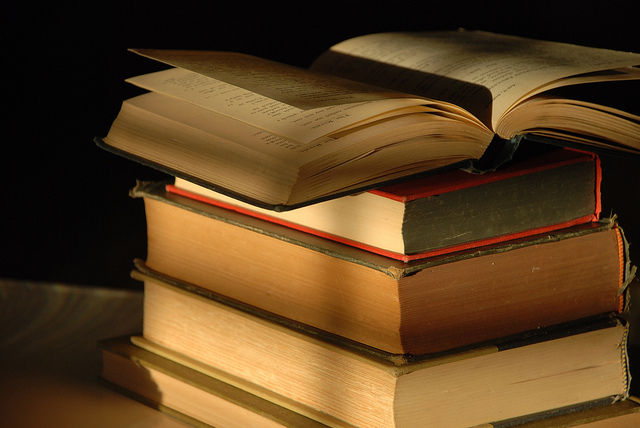
Lately, I’ve also been dragging my feet on seeing Selma, and have avoided reading the recently released God Help the Child from my favorite author, Toni Morrison. And for the last several years, two of the black feminist fiction must-reads, The Color Purple and I Know Why the Caged Bird Sings, have sat on my reading list and book shelf untouched.

Though it’s a teensy bit embarrassing to have not read and seen some of these iconic books films, I have to admit, they haven’t exactly been of high priority for me.

On the news, social media, and in our everyday lives, we are inundated with accounts of police brutality, racism, white supremacy, injustice, oppression, and our nation’s embarrassing inability to embrace diversity.

This is not easy stuff to read or hear about, much less, experience.

I currently have “oppression narrative fatigue.” With all of the horrible stories of police brutality and the increasing number of victims added to the list on a frighteningly regular basis, sitting down to read a Jim Crow-era narrative like The Warmth of Other Suns (another I’ve been slacking on) seems to add more pain to the current mood.

Sometimes, I have to take a break from those stories. So I mix in a little fantasy, sci-fi, mystery, and if I’m feeling super cheesy, romance. Black authors write oppression narratives well—but they also thrive in other genres.

I just finished reading Melissa Harris Perry’s Sister Citizen and am currently reading Patricia Hill Collins’ Black Sexual Politics. Both are Black feminist books that discuss injustice experienced by black women in our society. And when I’m done with these, I’m moving onto some fantasy, starting with the novel B. Sharise Moore’s Taste. Then I’ll read some Afrofuturism with some lesser-known black authors from this awesome list.

But I always return to the narratives about our history. Those Toni Morrison-esque— remind-you-of-where-you-come-from—narratives are important. Though heavy, they are also inspiring. They arm us with knowledge.They remind us how hard our ancestors fought for injustice, and give us guidelines for how to do so in current situations.  These narratives are also stories of triumph, where characters overcome difficult situations and remind us that we must do the same. And of course, they are not always read in schools—we have to read them on our own.

So maybe, after my break, I’ll dust off The Color Purple when I’m done with my sci-fi and fantasy books.

 I’m an avid reader, always on the hunt for a good book. Recommend your must-reads in the comments section.

Photo courtesy of Sarah Browning via Flickr.
Natural Hair Blues: When A Naturalista Stops Liking Her Hair

27 May

TWA

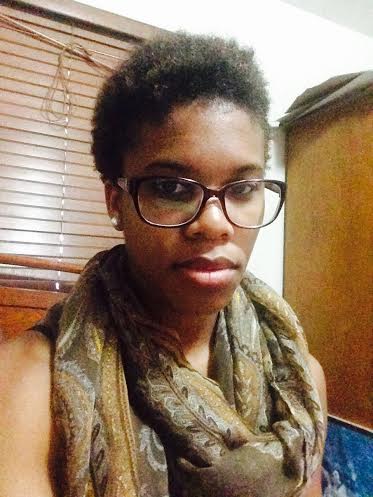
The Teeny Weeny Afro (TWA) seems to be the stepchild, twice removed, in the natural hair family. When scrolling down my Pintrest and Tumblr feeds, and reading the latest natural hair articles, I see box braids, buzzed cuts, faux locs, twists, curly afros, and others, but rarely TWAs. When they do make an appearance, they are usually with loose curls—not the 4b/4c texture I’m working with.

Last week, when I took out my faux locs and saw my awkward, 2-inch TWA, I wasn’t exactly thrilled at the sight. Read more…

Writer’s note: Hi everyone. I got published on For Harriet again this week. So you can read the full text there.

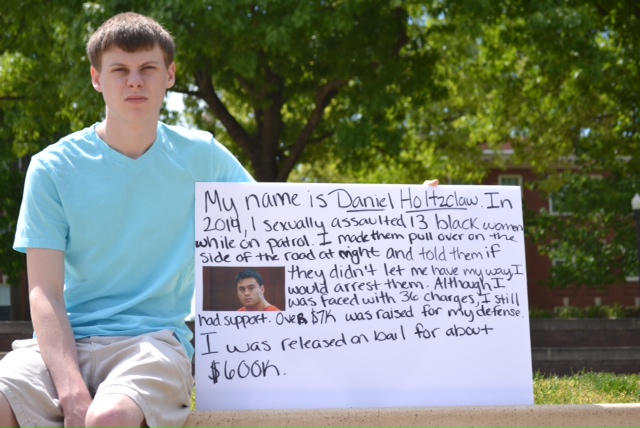
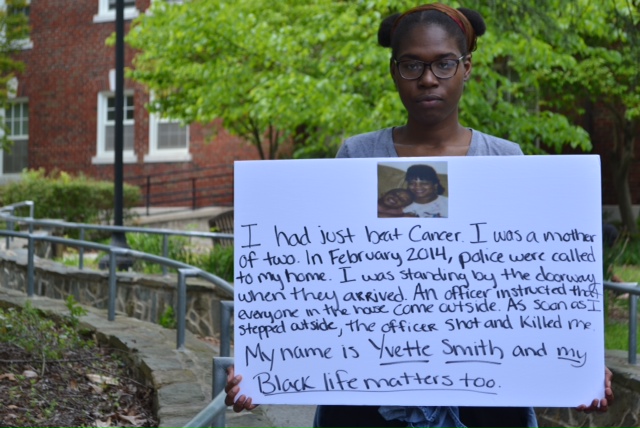
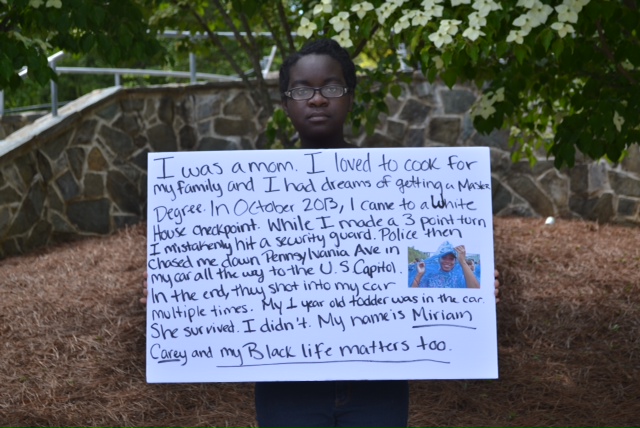
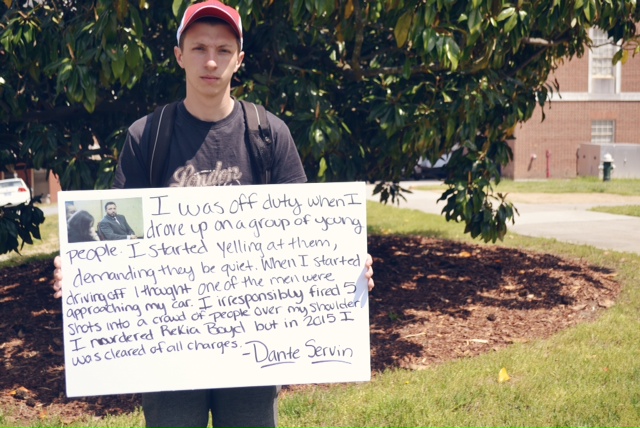
My Black Life Matters Too: Acknowledging Police Brutality Against Black Women

21 May

W11

By De La Fro

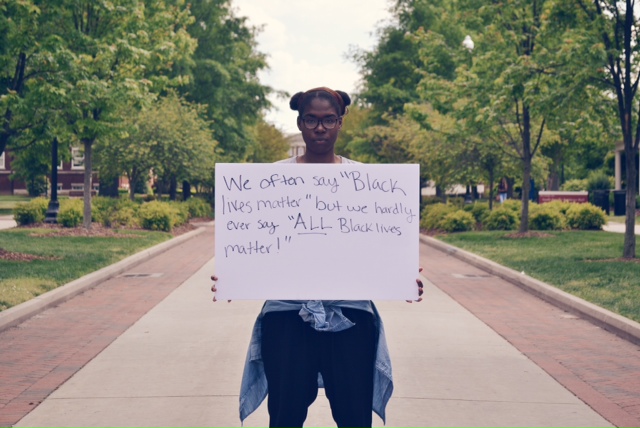
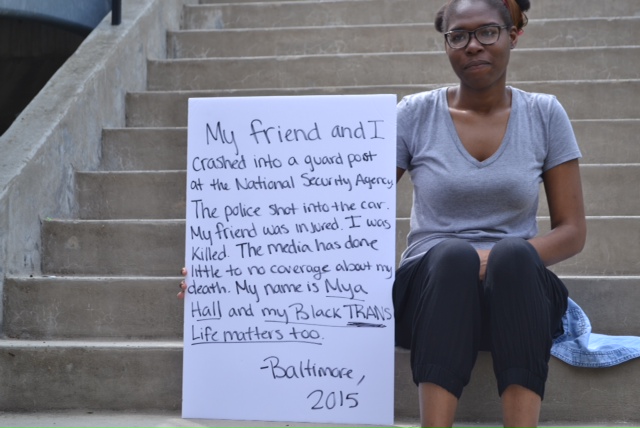
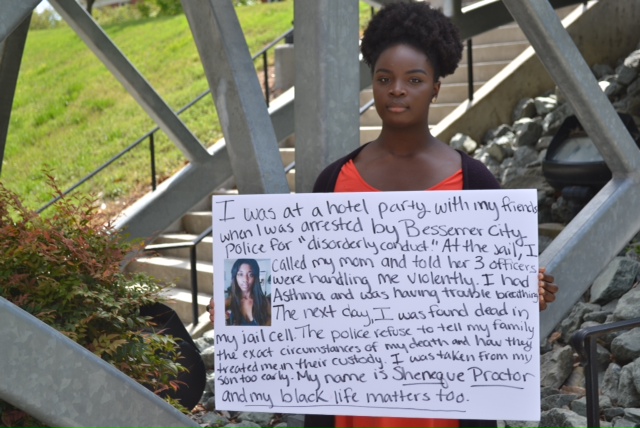
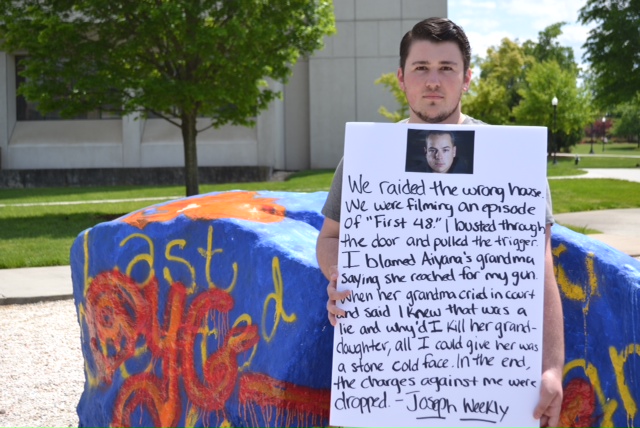
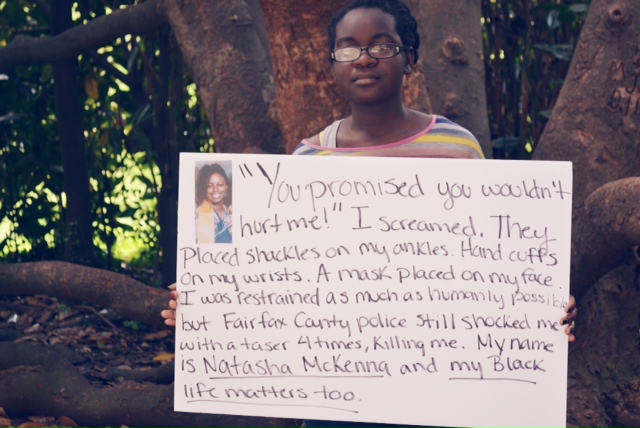
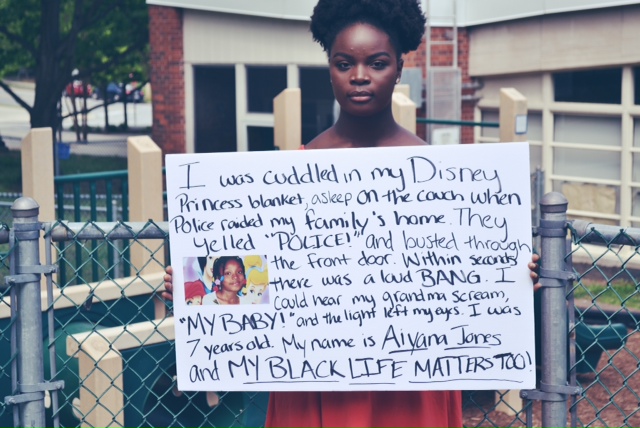
Eric Garner. Tamir Rice. Mike Brown. Sean Bell. Oscar Grant. All names that ring a bell for most, right? But what about Sheneque Proctor? Aiyana Stanley-Jones? Rekia Boyd? Tarika Wilson?

W9 W8 W5 W4W7 W6 W3 W2 W1

Oftentimes throughout the discussion of state violence, black men are centered, leaving black women almost completely erased from the narrative. People will say “Every 28 hours a black man is killed by a police officer” when really it’s “Every 28 hours a black person is killed by a police officer.” Most people fail to acknowledge or even are unaware of police brutality against black women. Not only are black women physically assaulted and murdered by police officers, black women have been sexually assaulted by police officers as well.

Even when police brutality toward black women is brought up the response is usually apathetic or watered down empathy. I’ve seen people, including black men, say that that’s taking away from the issue at hand. I’ve even seen black men say that focusing on black women being victims of state violence is “divisive” and there’s “no need to separate ourselves.” They see discussing police brutality against black women as a separate conversation instead of a part of the conversation. It’s amazing to me that if an issue isn’t centering black men, it’s almost instinctively written off as a “distraction” or “divisive” as if black men are the only black people that make up the black community. As if black men are the only ones affected by racism in the black community. As if other black people of the black community are not as valuable as cis-heterosexual black men.

There was a rally held for Rekia Boyd in New York City earlier this year and only about 50 people showed up; and that’s 50 compared to a couple hundreds, thousands, and millions worldwide who show up for black male victims. There have also been rallies held for black female victims in general and not only did few people come, few black men were in attendance too.

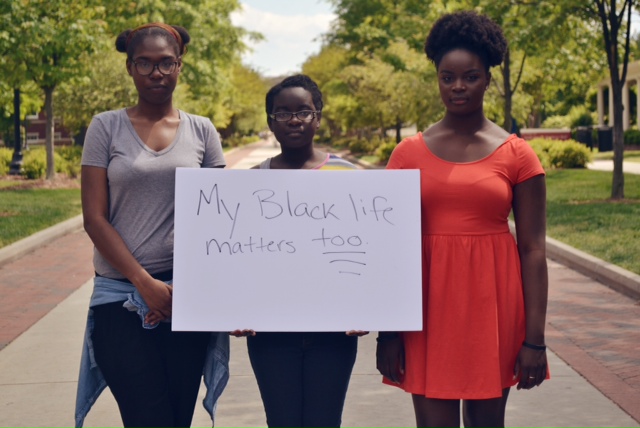
Black female activists feel the need to focus on black female victims of police brutality because time and time again, these victims are ignored from the overall “Black Lives Matter” narrative. There wouldn’t be a need to create a subset of the Black Lives Matter movement (Black Women’s Lives Matter) if black women’s lives were acknowledged just as much in the first place. This is not “separating” ourselves from the overall movement. This is simply us saying, “No, our black lives matter TOO.”

You can say black lives matter all you want but if you don’t believe ALL black lives matter then you’re saying “Only cis-heterosexual black men’s lives matter.” All we want is inclusivity in our own community. We just want you to fight for us like we’ve been fighting for you. That’s all.

So when you lift up Tamir, don’t forget to lift up Aiyana. When you lift up Eric, don’t forget to lift up Sheneque. When you lift up Sean, don’t forget to lift up Rekia. If you say you’re about black power then that means you have to be here for ALL black people, not just cishet black men. That means you fight for black women, black children, black elderly, and black LGBTQ. You fight for ALL of us. We can’t allow these black women’s memories to get lost along the way. Their black lives matter too.

W10

In conjunction with Black Lives Matter’s national call to recognize the black women’s lives and trans lives lost at the hands of the police today, May 21st, this post does what many protest don’t: #SayHerName

Guest author bio: Candace Sinclaire, also known as De La Fro, is an undergrad student at UNC Greensboro, where she’s studying film. She’s a spoken word poet and mans her own film collective “Rev Films.” She also manages own blog where she shares her love for natural hair, fashion, and socio-political topics.

Twitter – @delafro_
Photo credit: De La Fro
 
P.S. This article is part of the Top Posts. Check out the Best of A Womyn’s Worth.