Archive | Black Women in the Media RSS feed for this section

Turning to the Dark Side: Bad Girls are My New Role Models (pt. 2)

20 May

Image

After my last post, “Bad Girls are My New Role Models,” I’ve got some explaining to do. A few folks felt that my views had changed tremendously, and they were right.

I used to hate super sexy artists like Nicki Minaj. A few years ago, she was the enemy: she was a living, breathing black feminist’s worst night mare (so I thought at first)—the devil, reincarnated to set women back 300 years with her silicone body, overtly sexual lyrics, and constant references to Barbie.

Now, contrary to what I previously believed, she is not the problem. Though Nicki has had many flaws (I’ll never be down for her “nappy headed hoes” comment or that abomination of a song “Cuchi Shop”), I’ve relinquished my disdain for super-sexual artists who get a bad rep like Nicki. Actually— after lots more research, I’m beginning to like her.

Yes, I know the history of the dehumanization of black women’s bodies. I know the current “deviant” hypersexual stigma we’ve carried on our backs since white men first stepped foot on African soil. Previously, I blamed these artists as part of the reason black women haven’t been able to transgress that stigma. However, I’ve recently undergone a Black Feminist make-over, which included a bit of intellectual plastic surgery—and I’m ready for my big reveal:

I’m giving up on Respectability Politics, which is the system of beliefs that decide which black women are “respectable,” based on whether or not she fits a certain wholesome, classy, not-too-sexy mold. Respectability politics is the reason we often embrace Janelle Monae’s work as artistic expression, while we view Rihanna’s as a cry for help. It is reason we love to hate overtly sexy artists like Nicki Minaj believing that these women make it harder for black women shed the hypersexual stereotype.

Yet, these sexy pop stars aren’t the problem; we are.

Our views on these artists are the problem. We may argue endlessly that these artists uphold “imperialist white supremacist patriarchy,” as scholar bell hooks loves to say. Yet, in judging them, we are doing the exact same thing.

Writer Tamara Winfrey Harris explains in Bitch Magazine’s No Disrespect,” that we expect black women, especially those in the public eye, to uphold the same standards of “good womanhood” expected of white women in the 20th Century. You know: women must be noble, submissive, and chaste (Chaste being the most important: some of y’all get all up in arms when married women sing about sex…Let me hear you say “Hey Mrs. Carter”). So in making these demands for black artists, we align ourselves with the same white patriarchal ideas that we so passionately fight against.

If it were up to the devout believers in respectability politics, black women would never sing about sex and never celebrate our bodies. As Writer Cate explains over at one of my favorite blogs BattyMamzelle respectability politics suggest that black women should render ourselves asexual in order to combat white supremacist ideology about black women’s bodies.

Explain this to me: White men, white women, and black men can be sexual, but black women need to keep it on lock? Hmmm, sounds like another double-standard.

We shouldn’t have to deny our sexuality in order to please people who are uncomfortable due to historical stigma about black women’s bodies. This sexuality policing approach denies part of what makes many of us human, as sex is natural for most people.

As Cate says, “While combating the sexual stereotypes of black women is important, I think that it’s essential that we find ways to do it that don’t necessitate denying ourselves access to our own sexuality.”

Ok, I going to stop here cuz I know attention spans tend to lapse after about 600 words (mine included). But I have so much more to say on this subject, so check back for part 3,

 Read Part 3: 4 Reasons Respectability Politics Has No Place in Black Feminism


If you would like to receive this future post via email or Facebook, click the corresponding links on the right panel.

And if you’re not feeling what I’m saying, let me know. Your counter arguments help me grow (when they’re informed, that is). Thanks!
Bad Girls Are My New Role Models

13 May

Image

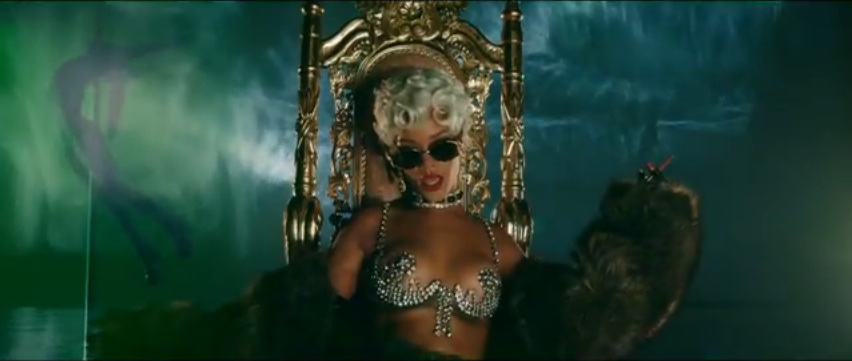
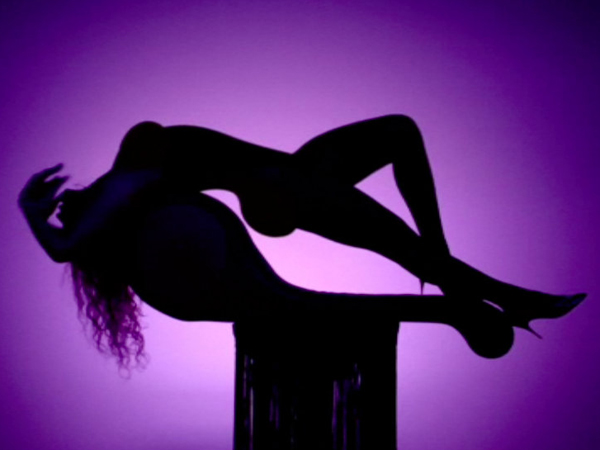
Leaking topless photos, sexing in limousines, and twerking while wearing a diamond-encrusted bra will get you crowned “Queen of THOTS” (current slang for hoe) in a hot second. Rihanna’s topless photo on a French magazine cover got her shipped to THOT Land, where Beyoncé has been exiled since the release of “Partition.”

Lots of folks are concerned that these sexy singers are bad role models because of their young fan base. Now, I wouldn’t bump “Drunk in Love” in the car with my little cousins riding in the back seat, nor would I use Rihanna’s “S&M” video as a stand in for sex-education conversations. But for mature audiences, the vixens of the music industry may be some of our best sexual agency role models.

Okay, fellow feminists, womanists, and everyone in between: I know what you’re thinking. Not too long ago I thought the same thing. I’d watch music videos and think: Why would Rihanna twerk in a thong in the “Pour It Up” video, when everyone knows black women’s bodies are viewed as hypersexual? Why would Nicki Minaj pull so much attention toward her ass when everyone knows the story of Saartje Baartman’s Venus Hottentot 19th Century “freak show,” where she was mocked for her huge ass? We all know that black sexual politics dig deep into a painful history of inhumane treatment of the black female body, and that in searching for our decolonized image, we often turn our noses up to super-sexy black pop stars.

Yet, as Hip Hop feminist Joan Morgan said in her well-known seminar, “The Pleasure Principle,” we should have a “relationship with the history that doesn’t over-determine our sexuality or our choices.” As Morgan and others examining pleasure politics argue, we need to incorporate pleasure into our black feminist discussions. In only focusing on the damage done to the dehumanized black female body, we do ourselves a disservice.

So why not re-humanize it for ourselves? In discussing pleasure politics as sexual agency, There are a few things we can learn from these so-called bad role models. Read more…

Author’s Note: Hey Everyone. This article was originally published on Slutist (Ya girl got published again!). So you can read the rest of the article there. Let me know what you think!

Where Are All the Leading Ladies of Color?

10 Apr

Image

A few years ago, my boyfriend and I sat in a movie theater in Malibu, watching the opening of Couples Retreat. When the first black actress came on the screen, my date smacked his teeth in disgust. The woman was loud, obnoxious, and senseless. Within the first 5 minutes of seeing her on the screen, the only other black couple in the theater walked out.

They were lucky: Had they stayed any longer they would’ve seen the other black woman in the movie, who was louder, violent, and even more irrational, knocking other women out of her way while she searched for her cheating husband.

It wasn’t the first time I’d seen that black woman on the screen, and definitely wouldn’t be the last. Although not all black characters in film behave as badly, actresses of color are often pigeon-holed into playing the same typecast roles again and again.

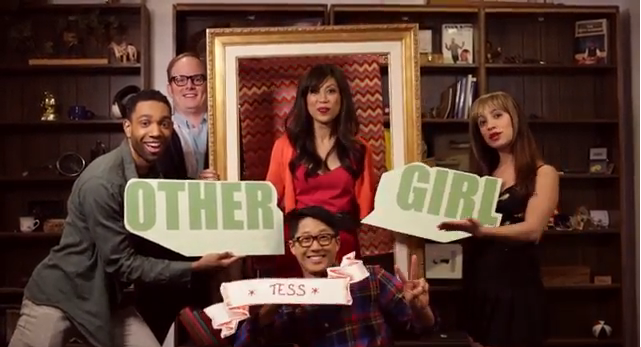
In “Typecast,” their brilliant parody of Lorde’s “Royals, actresses Tess Paras, Haneefa Wood, and Ayana Hampton display that for actresses of color, the road to stardom means playing race-based, cookie-cutter characters, with the role of the leading lady often remaining just out of reach.

Actresses who look like the ones in the video are sometimes subjected to typecast roles: Sassy black girl, geeky Asian, fiery Latina. Actresses of other races and ethnicities may not even be considered for a part. This leaves opportunities few and far between for actresses of color.

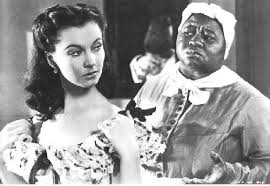
When placed in a historical context, Typecasting becomes even more problematic. In the parody, as Hampton sings, “Any maid could look like us,” I was taken back to the historical mammy figure. While we’ve come a long way from the Hattie McDaniel’s mammy in Gone with the Wind, the pool has only expanded wide enough to include other stereotypes and subordinate roles, with a few exceptions here and there.

HATTIE

Hatti McDaniel in Gone with the Wind

Typecasting women of color into supporting roles such as the main character’s best friend, secretary, or nanny, reinforces the idea that people of color are only supporters or “extras” in America, while white people are the central figures. It displays a dynamic where actresses of color don’t have their own story outside of helping the main character, not unlike the historical mammy, who usually has no life outside of serving her bosses. Such roles are seen in movies like Sex and the City, with Jennifer Hudson playing Sarah Jessica Parker’s personal assistant, and in the upcoming comedy The Other Woman, with Nicki Minaj playing Cameron Dias’ legal assistant.

Then there is the obvious problem with typecasting: the roles play off of stereotypes that project sexist and racist ideas. When consistently casting women of color for the same typecast roles, the industry renders possibilities for these women to exist outside of their stereotypes unlikely. While typecasts like the fiery Latina, nerdy Asian, and sassy black girl, are usually written for comedic affect, they reduce human beings to a one-dimensional devices that garner a few laughs at the woman’s expense and move the plot along.

Moving away from these stereotypes and adding some color to leading lady role can be good for audiences. After backlash from fans of movies Annie (2014), Hunger Games, Catching Fire, and Fantastic 4 (2015), where black actresses and actors were cast for traditionally (or what people believed to be traditionally) white roles, maybe audiences could use a little help expanding their imagination. It seems that when actors of color are cast in central, not typecasted roles, racist commenters masking themselves as “fictional purists” storm twitter with remarks about how their favorite character’s skin should be white. Yet, the more we see actresses of color playing central figures, the more we can shed the stereotypes and break down barriers for women in the industry. Maybe then American audiences will become a little more comfortable with diversity on the screen.

While we’re moving in the right direction, with shows like Scandal and The Mindy Project (though they also have their flaws) and movies like the latest remake of Annie, we still have a ways to go before we see more accurate and equal representation.

P.S. This article is part of the Top Posts. Check out the Best of A Womyn’s Worth.